Method
Composing for an LED wall
Times Square, Fiumicino, Verona. Three surfaces, three measures of the gaze, and how each one decided the shape of an image before it was made.
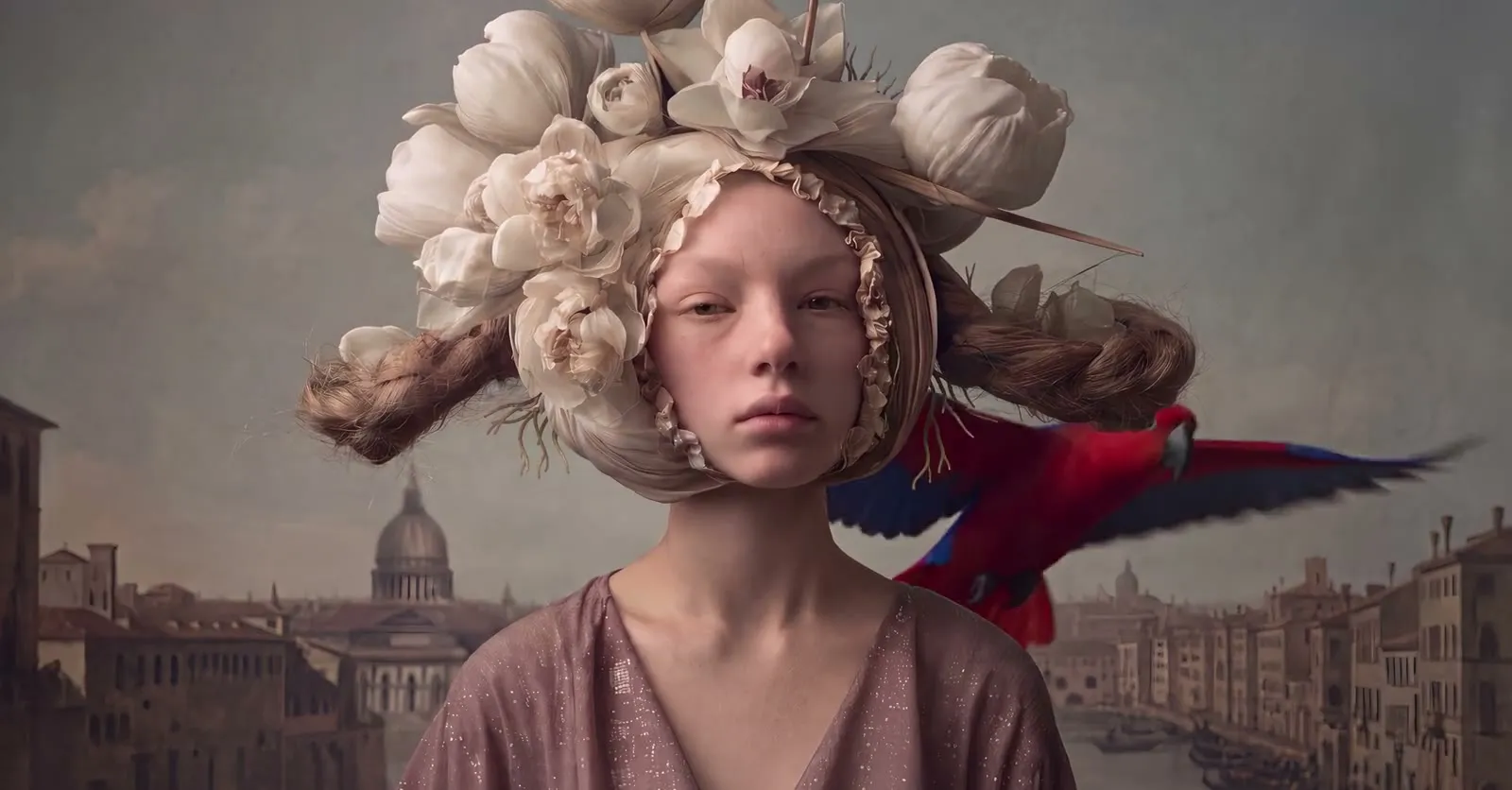
Pliny tells us that painting was born in Corinth, the night a young woman traced on the wall the outline of her departing lover’s shadow. The first image, then, already had a precise support: a wall, a lamp, a distance. Anyone composing for a public screen today starts again from there, from measurements, before any idea.
A screen switched off is a black wall. Switched on, it becomes the light of a square, and the square decides almost everything: how large it is, where it is seen from, for how many seconds. An LED wall is not an enlarged television. It has proportions no camera produces, pixels that show at ten metres and vanish at a hundred, and an audience that did not sit down to watch.
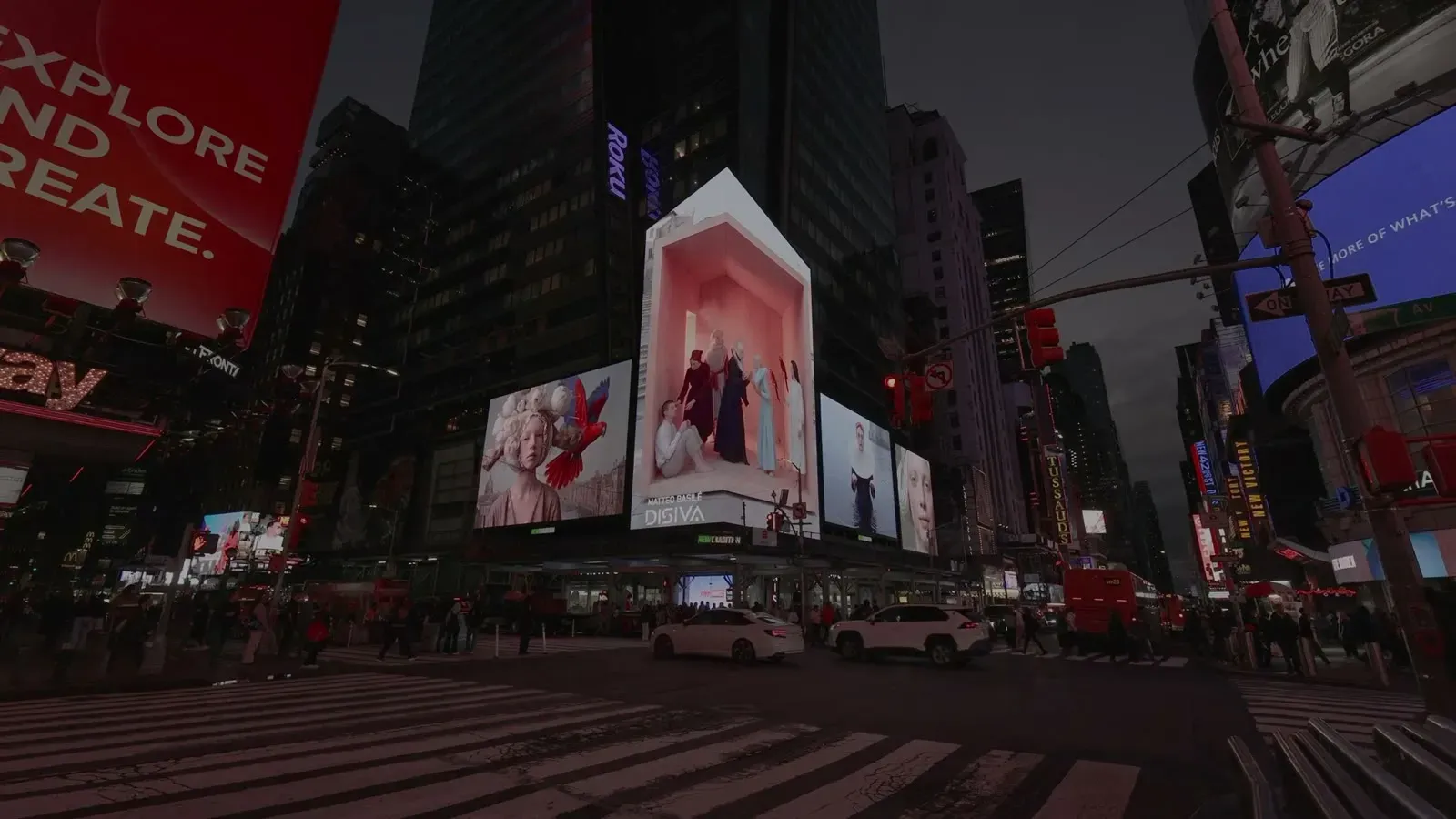
Four panels in Times Square
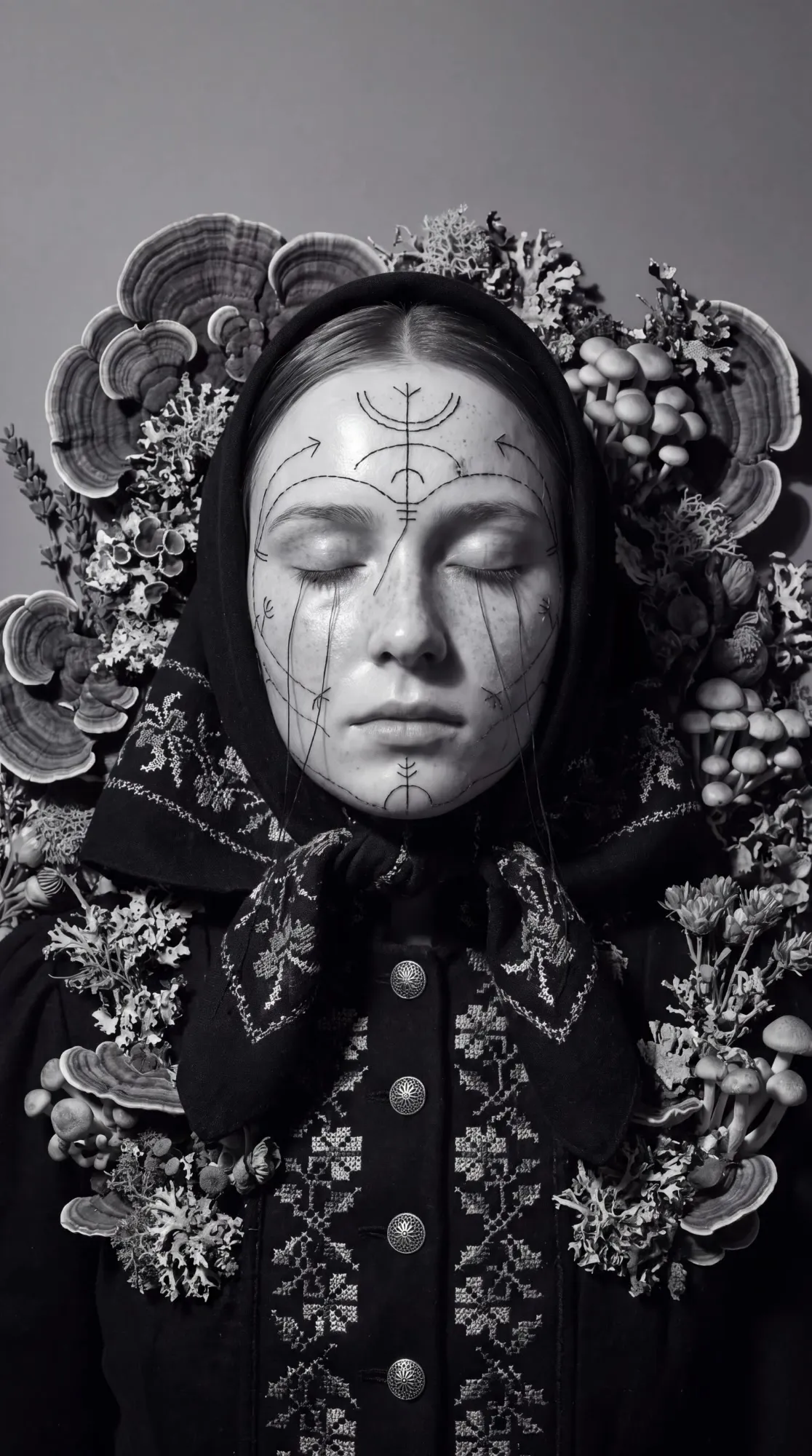
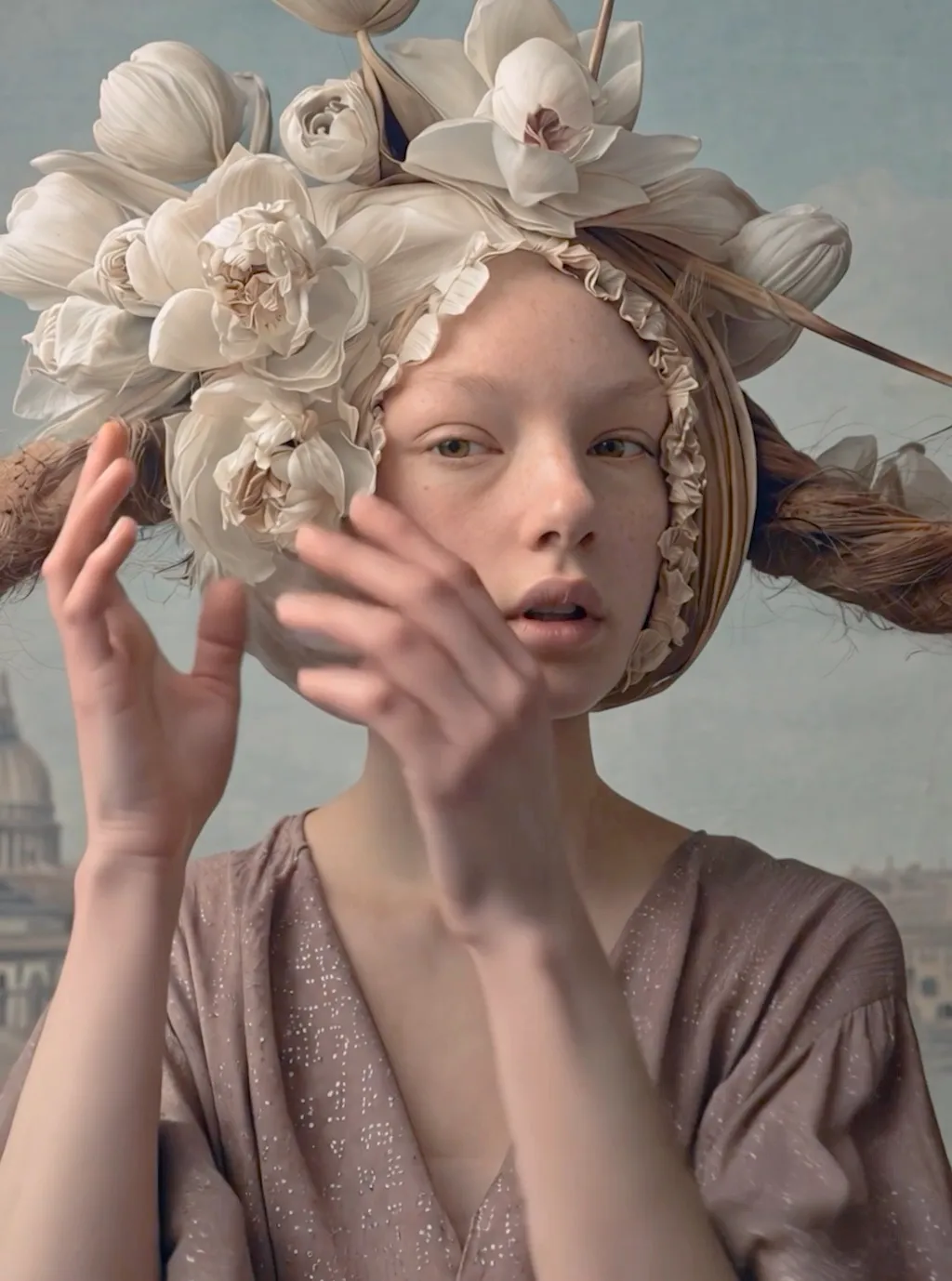
Theatrum Mundi was shown from 25 to 27 September 2026 in GIANT SIGNALS, the exhibition through which DISIVA, the programme born as Art Innovation Gallery and founded by Francesca Boffetti, brought thirty artists to the screens of 5 Times Square. There were four screens. The work became a polyptych in four movements, crossed by one element that passes from panel to panel and holds them together: the shape of the support became the shape of the story. Boffetti, in an interview with Exibart, puts it from the curator’s side: in urban space a work has to open in a few seconds without losing depth.
A strip at Fiumicino
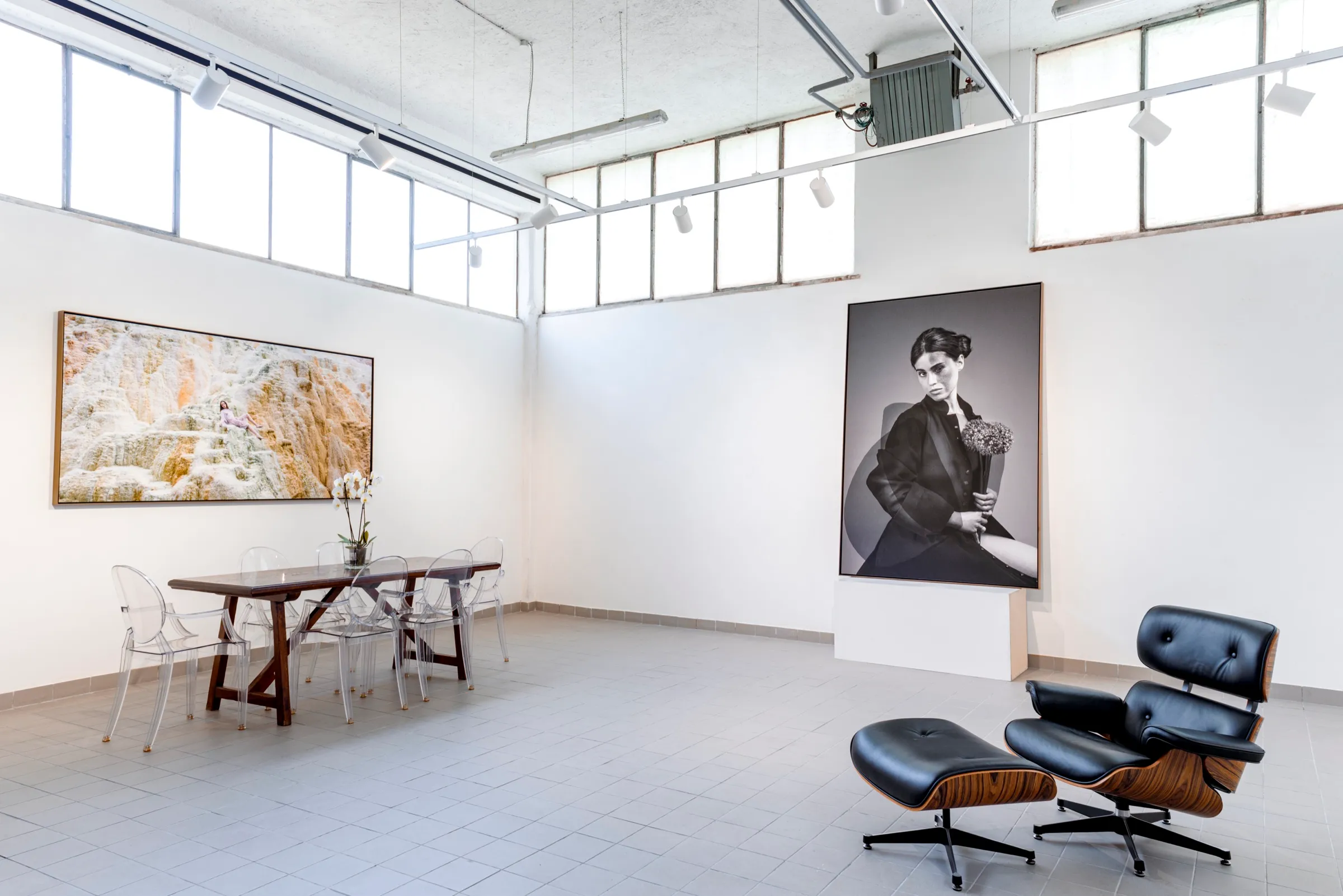
The screens in the Fiumicino terminal are long and low: the Voci dal futuro video, with Victoria De Angelis, is 1920 by 270 pixels. In that format the portrait cannot sit in the middle as in a painting; it multiplies and dissolves along the wall, for people who meet it while walking to the gate. The moving gaze becomes the camera.
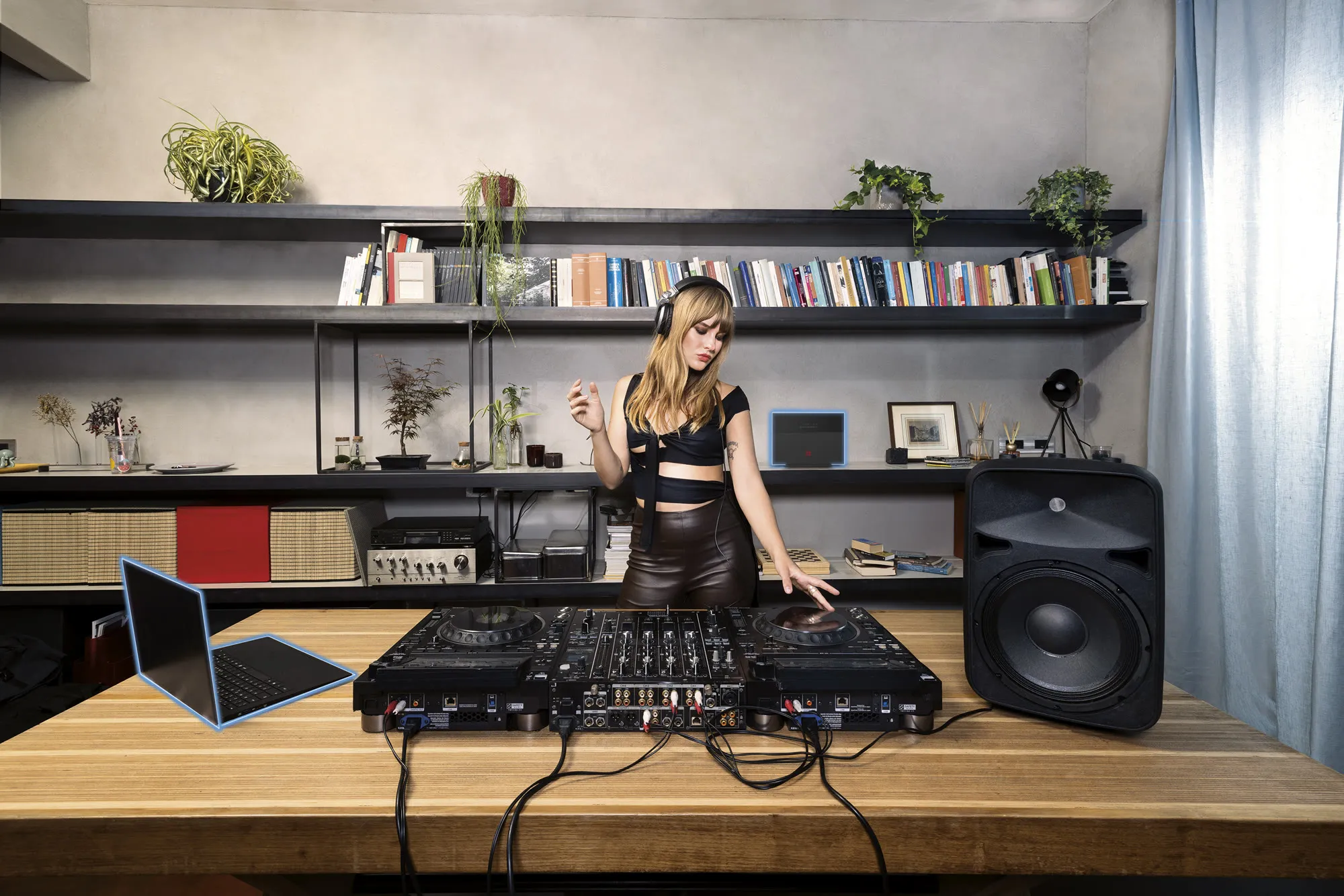
From paper to screen in Verona
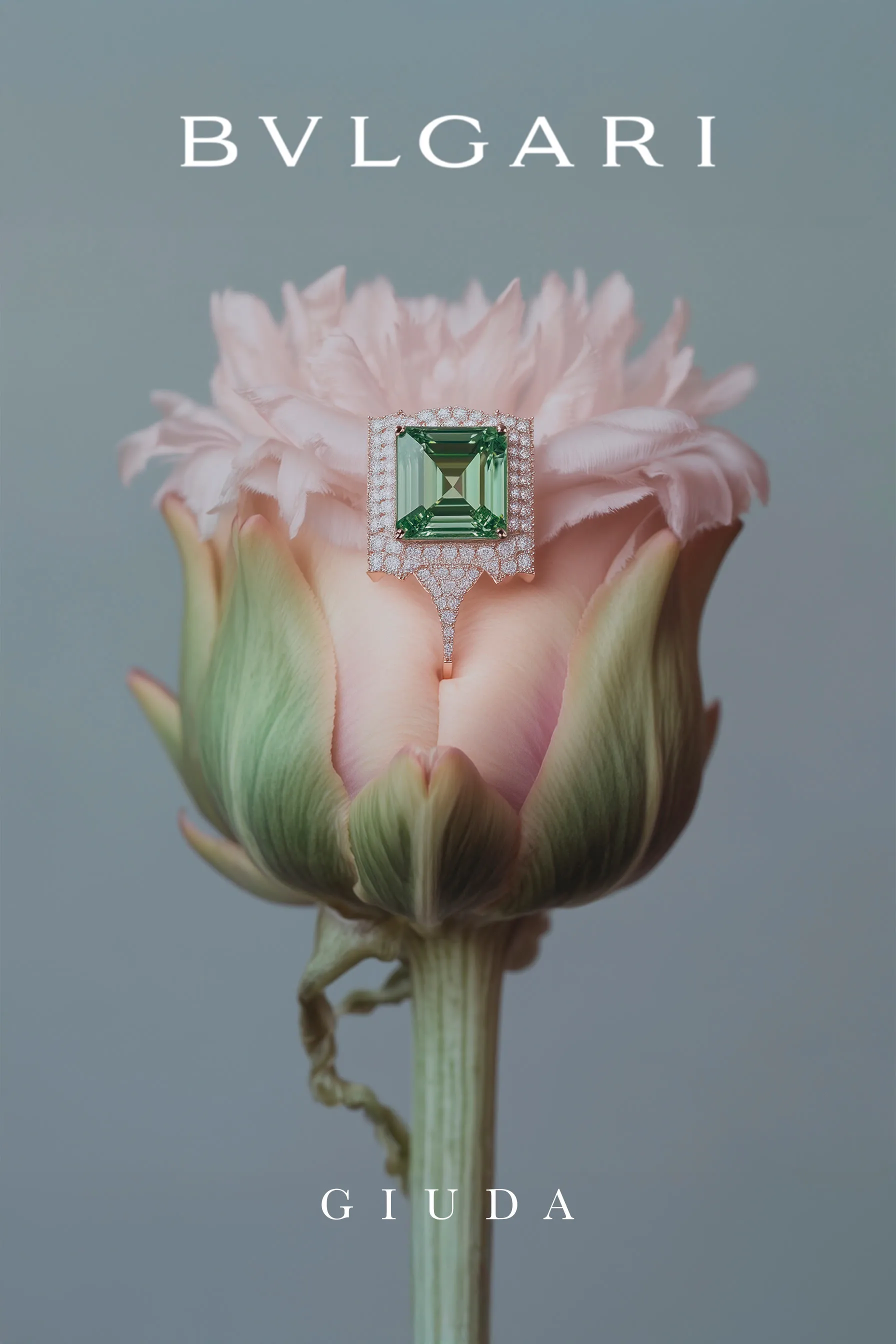
For the Estate Teatrale Veronese the same season image moved from posters to the city’s screens and to social media. The video manifesto is vertical. Each version is composed for its own surface and not cropped from the others: a crop is recognised at once, and whoever recognises it stops looking.
Advertising returns to art
There is a paradox in all this. For a century art borrowed the languages of advertising; today advertising screens ask for artworks, because anamorphic 3D has worn thin and spending on digital out-of-home keeps growing. Programmes such as Times Square Arts’ Midnight Moment have done it since 2012. The question for whoever composes does not change: what does a passer-by see, how much time do we give them, what stays with them.
The studio’s method is the same in all three cases: site survey, visual direction, production, formats checked with the people who install the screens. The wall comes before the image, as in Corinth.
Sources
- Plinio il Vecchio, Naturalis historia, XXXV, 151
- DISIVA, GIANT SIGNALS, New York, 25–27 settembre 2026 (opens in a new tab)
- C. Biasini Selvaggi, «Public Art 2.0: i maxischermi urbani e l’arte contemporanea. Intervista a Francesca Boffetti», Exibart, agosto 2026 (opens in a new tab)
- Times Square Arts, Midnight Moment (opens in a new tab)
- invidis, «PQ Media: global DOOH spending grew 12 percent in 2025», settembre 2026 (opens in a new tab)
- Creative Review, sul futuro dei billboard 3D (opens in a new tab)
Credits
Image: Matteo Basilé, Theatrum Mundi, 2026, 5 Times Square, New York (DISIVA, GIANT SIGNALS).
Text: Airona Altman.