Rules of the image
Who owns an image made with AI
Italian law, the European regulation and US courts converge on one point: human work is what counts. What that means for those who commission and those who produce.
It is every client’s first question, and its answer is less uncertain than people think. Copyright, in Italy as elsewhere, protects a person’s intellectual work; what a machine produces on its own stays outside it. The question, then, is how much human work is in the piece and how it can be shown.
Italian law
With Law 132 of 2025 Italy wrote into its copyright law that works created with the help of artificial intelligence tools are also protected, provided they result from the author’s intellectual work. The same law regulates text and data mining for training models, allowing rights holders to reserve their rights, and adds to the criminal code the offence of unlawfully spreading generated or altered content, Article 612-quater.
Europe and transparency
The European AI regulation does not decide who the author is, but what must be told to the public. Article 50 requires generated or manipulated content that may appear authentic to be made recognisable; for evidently artistic or creative works the obligations are lighter, but they do not disappear. The Commission has paired the rule with a code of practice on marking content.
Across the Atlantic
In the United States the Copyright Office, in its January 2025 report, restated that a prompt alone does not make an author; the courts confirmed the principle in the Thaler case. The details differ and the substance is the same: the creativity that counts is the one that can be traced back to human choices.
How the studio works
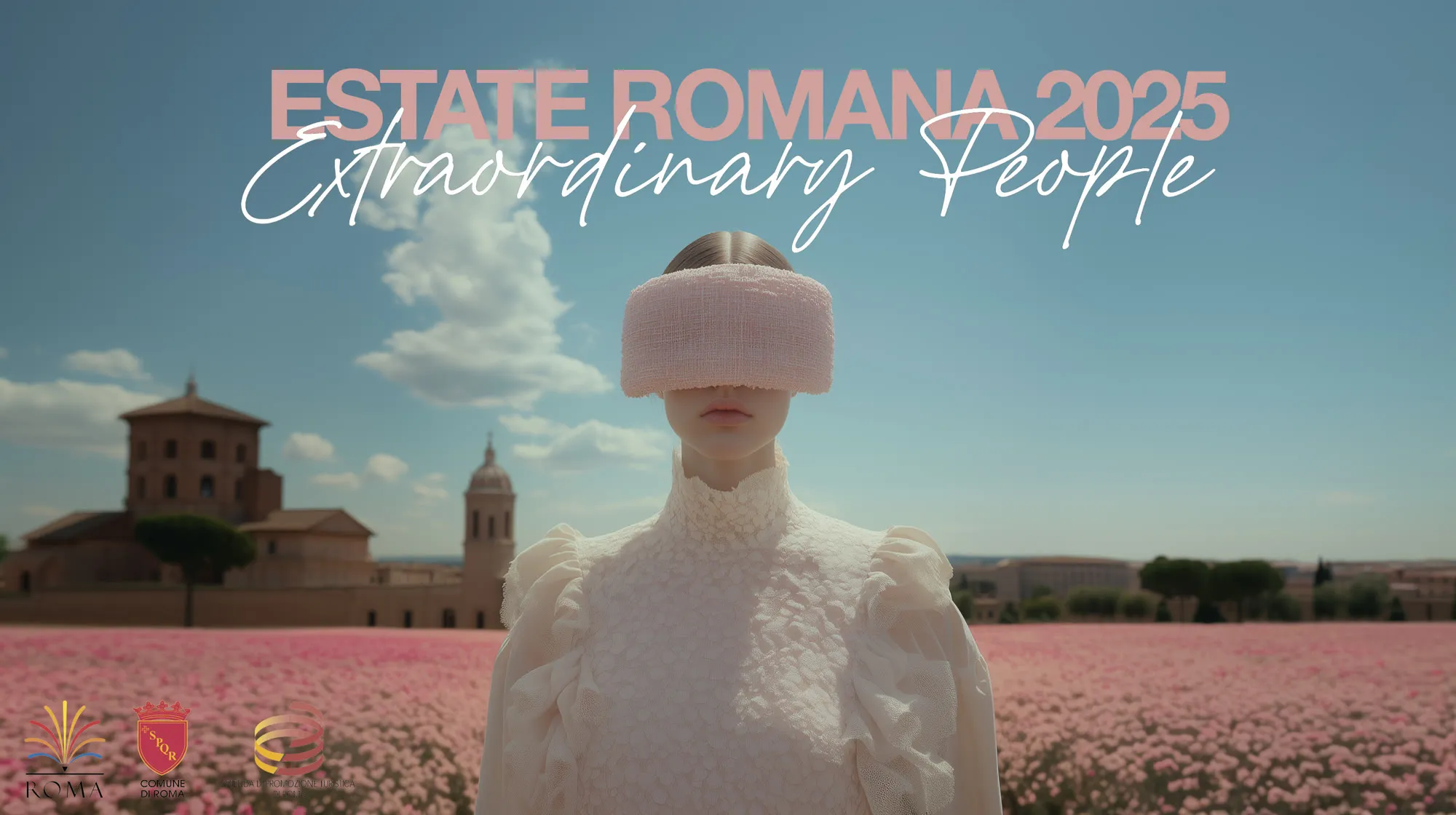
In ArtistProof’s projects artificial intelligence works on material made by the studio and within an authored direction. In the project pages we state the starting material and the stages where AI came in; works made entirely with AI, such as the uncommissioned campaigns, say so in the text. Documenting the process does two jobs: it shows the human contribution and it respects the public’s right to know what they are looking at.
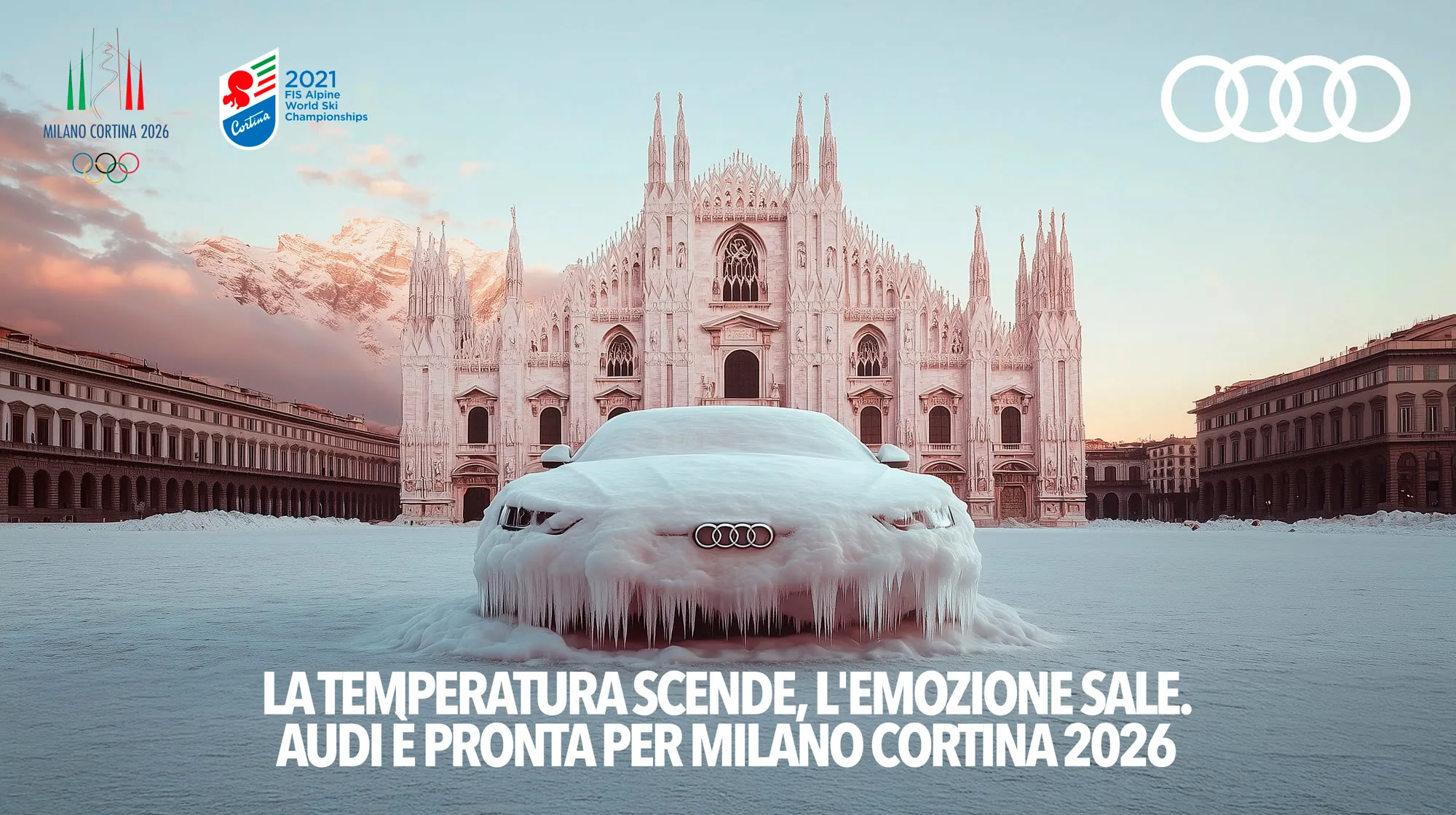
This article describes the general framework and how we work; it does not replace legal advice on an individual case.
Sources
- Legge 23 settembre 2025, n. 132, art. 25 (modifiche alla legge 633/1941) e art. 612-quater c.p. (opens in a new tab)
- Regolamento (UE) 2024/1689 (AI Act), art. 50 (opens in a new tab)
- Commissione europea, Code of Practice on AI-generated content (opens in a new tab)
- U.S. Copyright Office, Copyright and Artificial Intelligence, Part 2: Copyrightability, gennaio 2025 (opens in a new tab)
- Thaler v. Perlmutter, U.S. Court of Appeals for the D.C. Circuit, 2025
- Agenda Digitale, «Legge sull’AI: come si applica, tutti gli aspetti pratici e i fronti critici» (opens in a new tab)
Credits
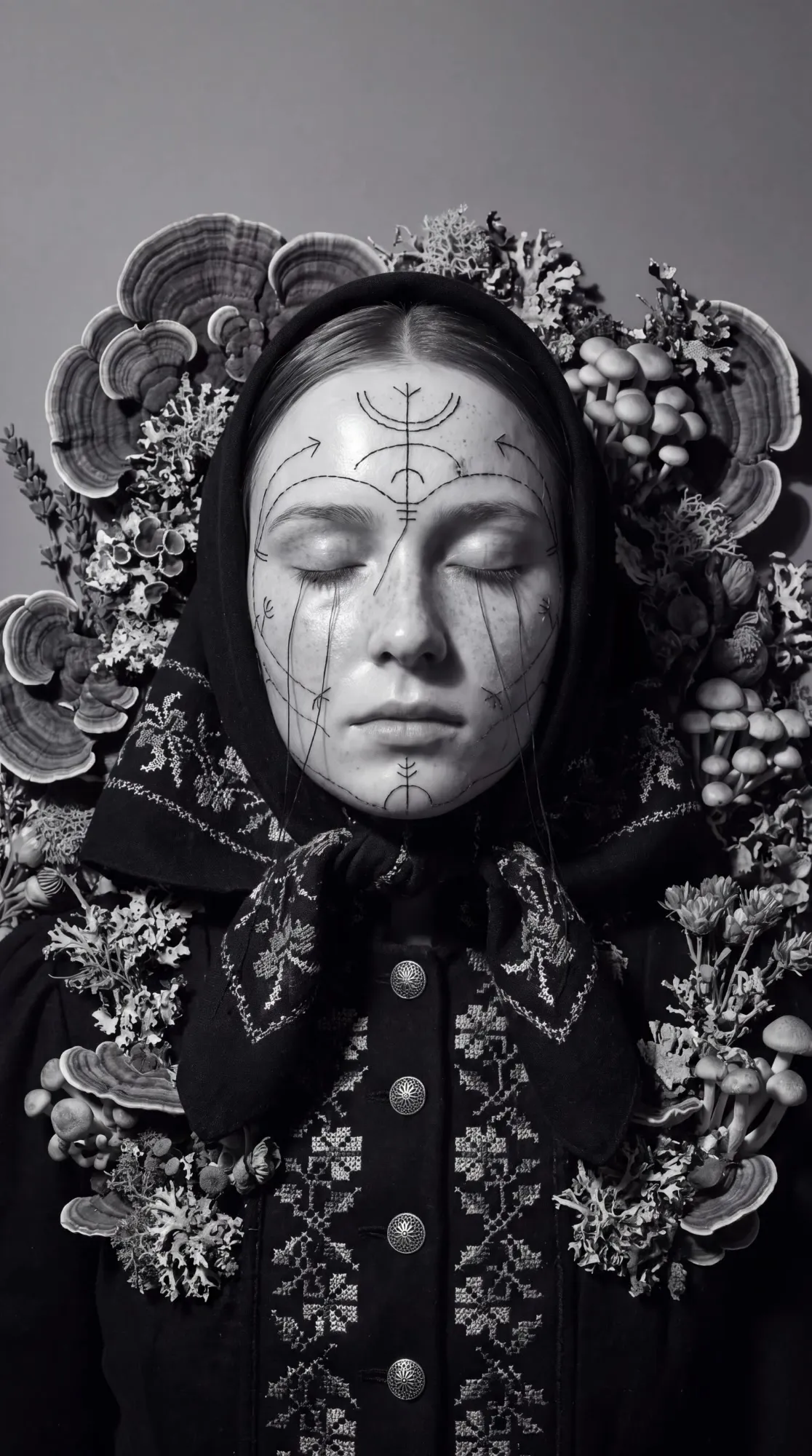
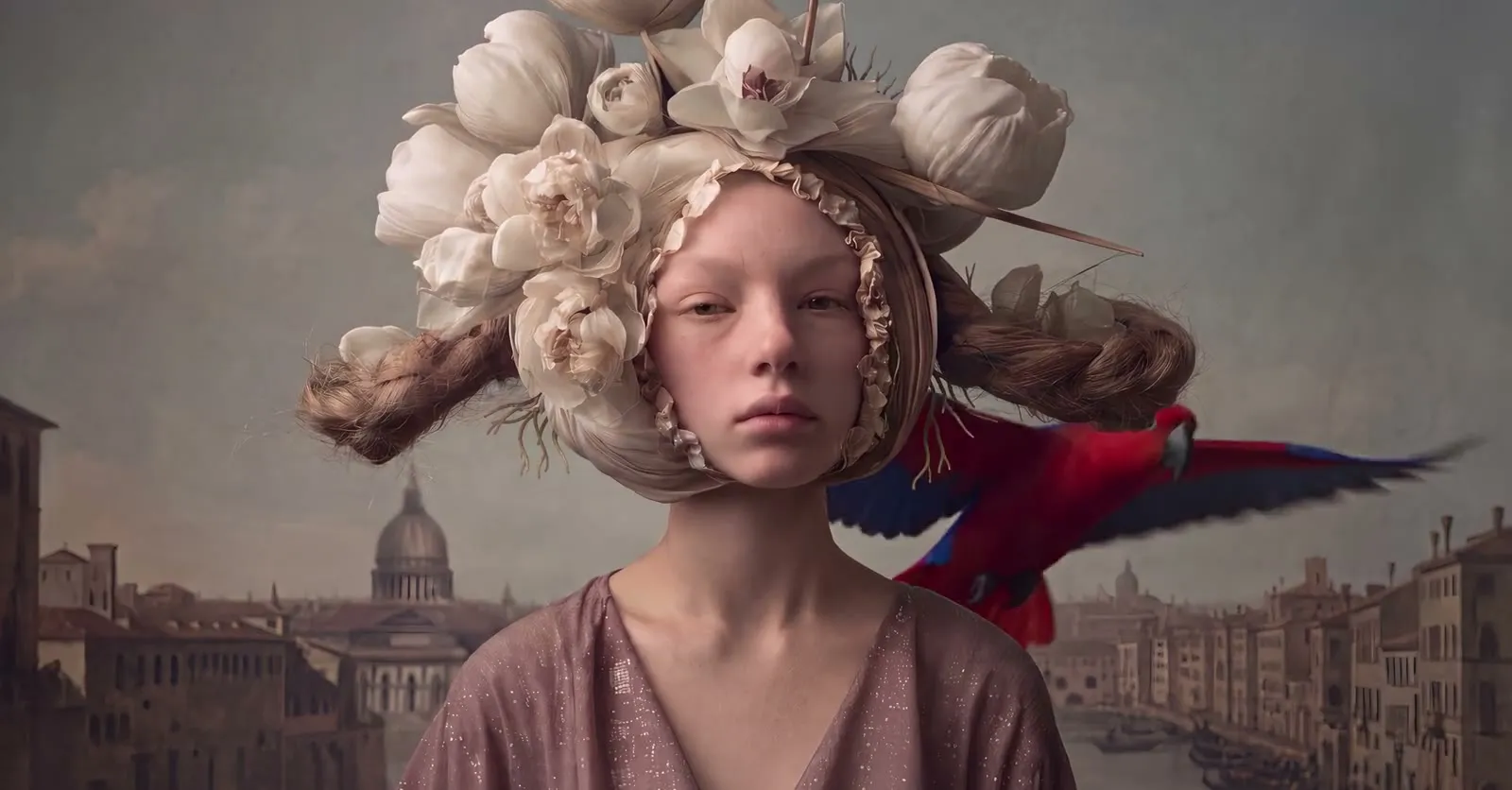
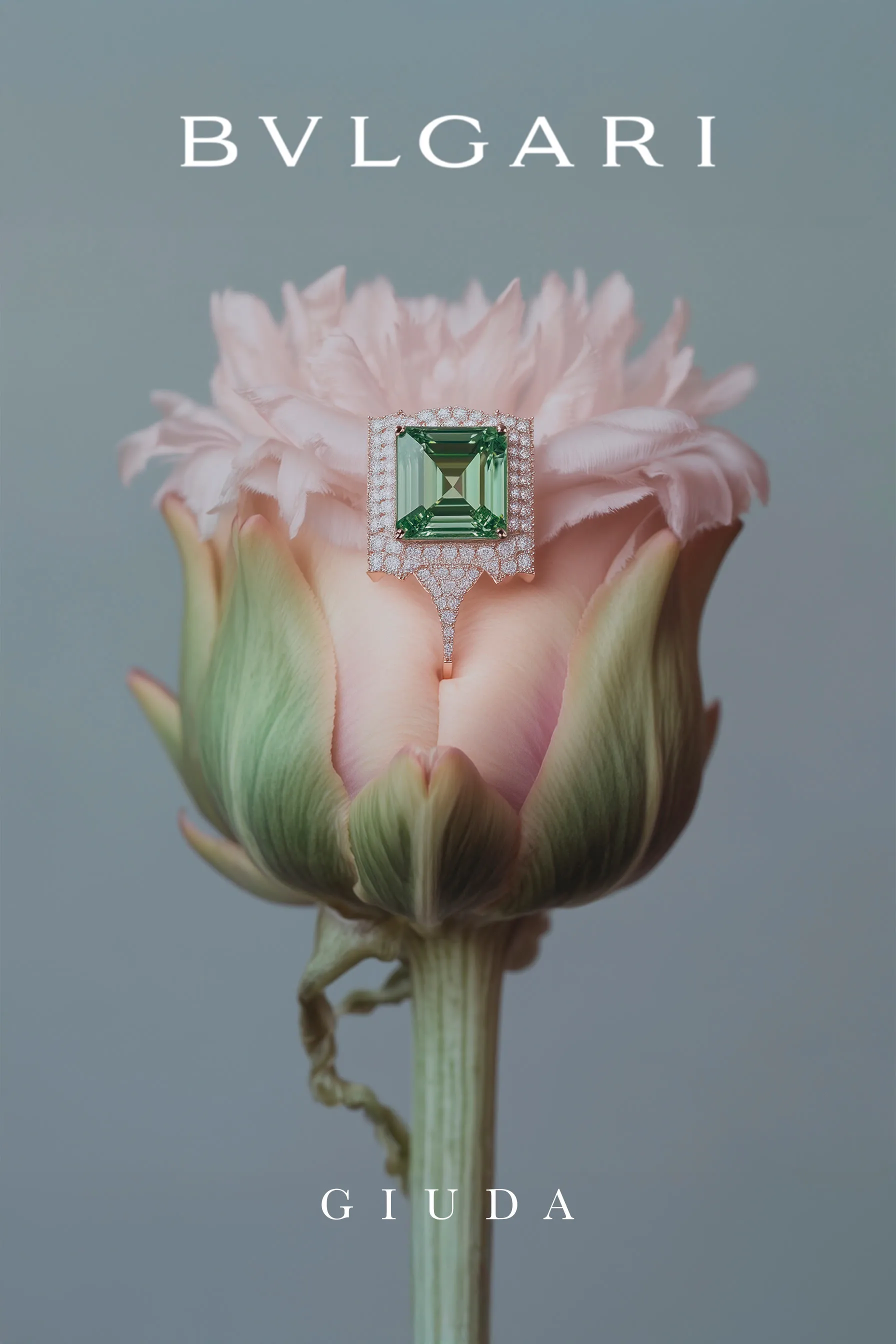
Image: Giuda, uncommissioned visual research by ArtistProof about Rome, images generated with artificial intelligence, 2026.
Text: Airona Altman.