Method
FOTOSINTESI, how we work with AI
What the person decides and what the machine computes, in a method that brings photography, live footage and artificial intelligence into one process.
The right question is where the line of decision runs. A generative machine computes probabilities: it proposes the most plausible image from what it has seen. A person chooses, and choosing also means giving things up. The studio’s method grows from this distinction, which is moral before it is technical.
From the set, first of all
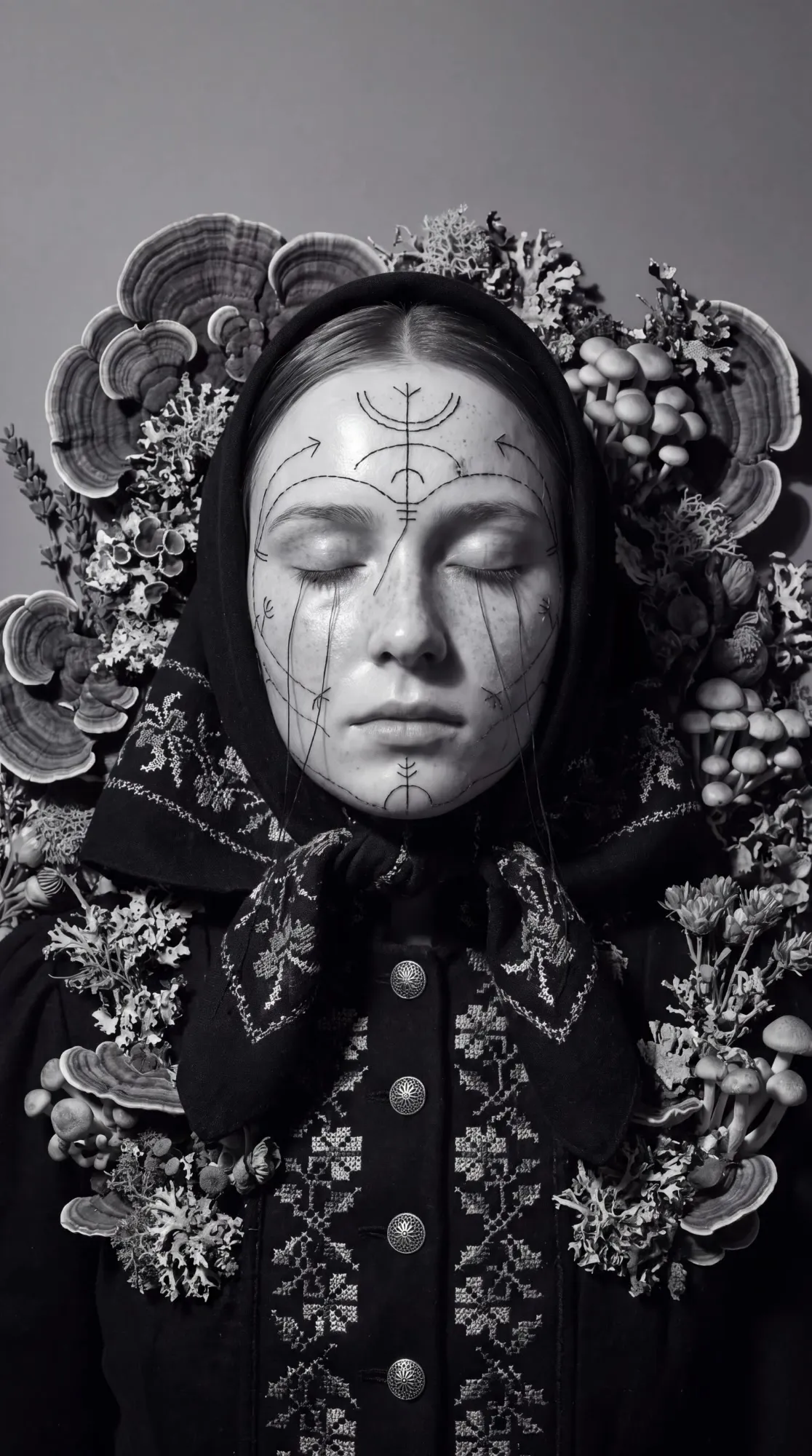
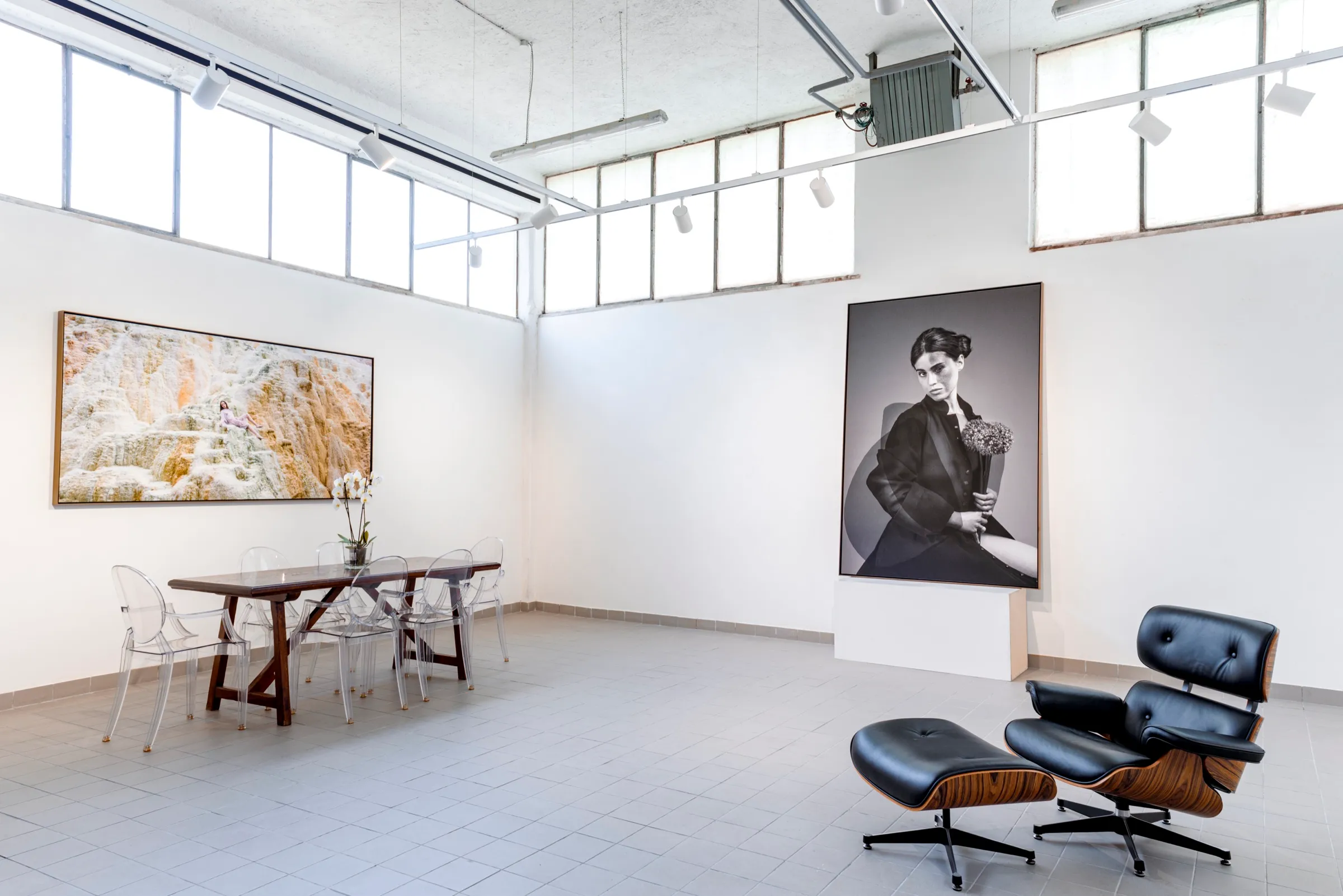
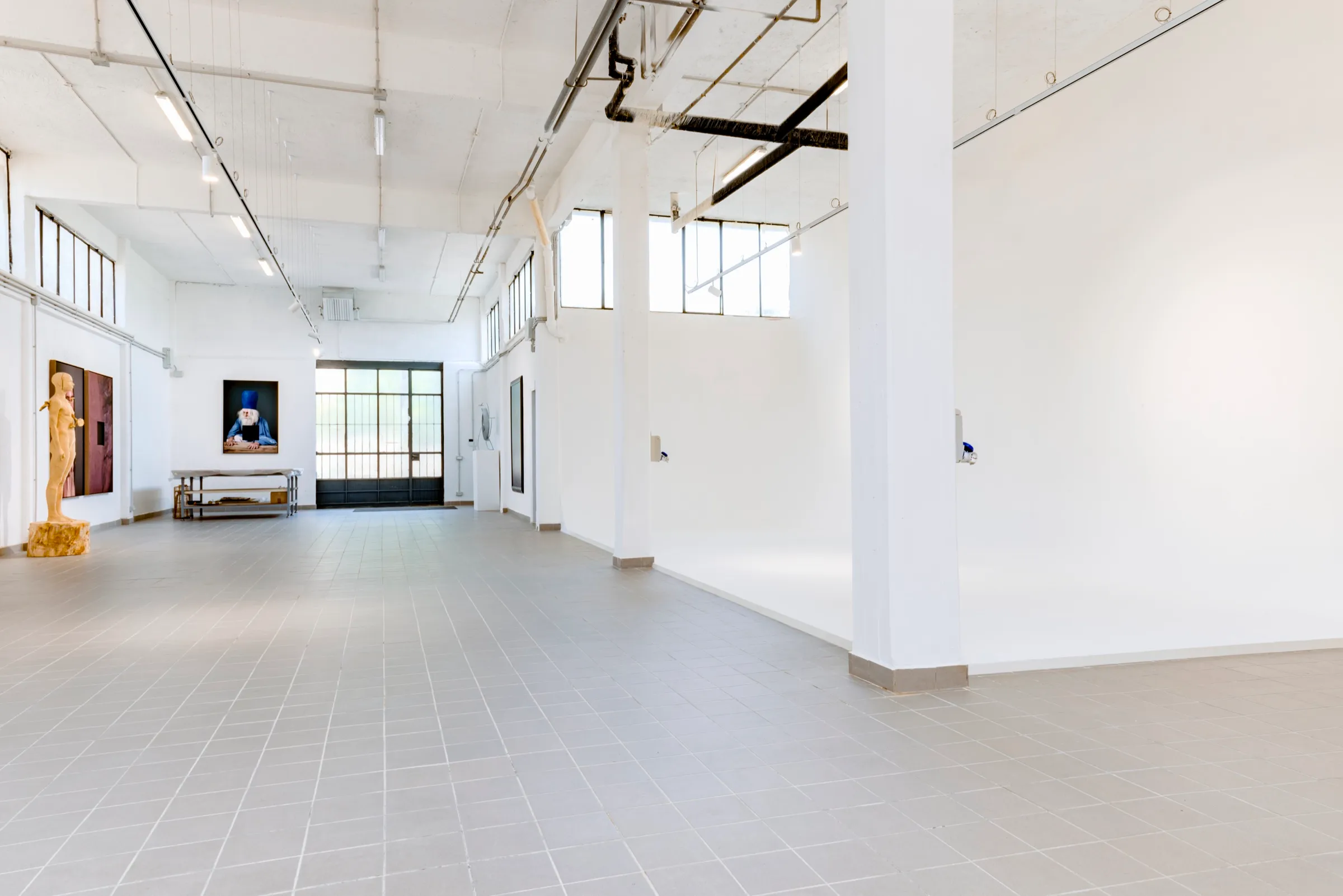
FOTOSINTESI starts from what the studio makes with its own hands: photographs and footage on a real set, with people, light and matter. That material is the origin and the measure. Artificial intelligence enters the workflow afterwards, to develop a scene, a transition, a variation, always following the project’s direction. Direction, selection and editing hold the parts together; no image goes out because the machine proposed it, only because someone wanted it.
Three things we declare
That is why the project pages state which materials we started from, where AI came in and how that part fits with direction, colour and sound. It is a choice of method. The European AI regulation, in Article 50, requires transparency for generated or manipulated content that may appear authentic; Italian Law 132 of 2025 ties copyright protection to the person’s intellectual work. Declaring the process is the simplest way to stay within these rules and, before that, to respect whoever is looking.
What we do not claim
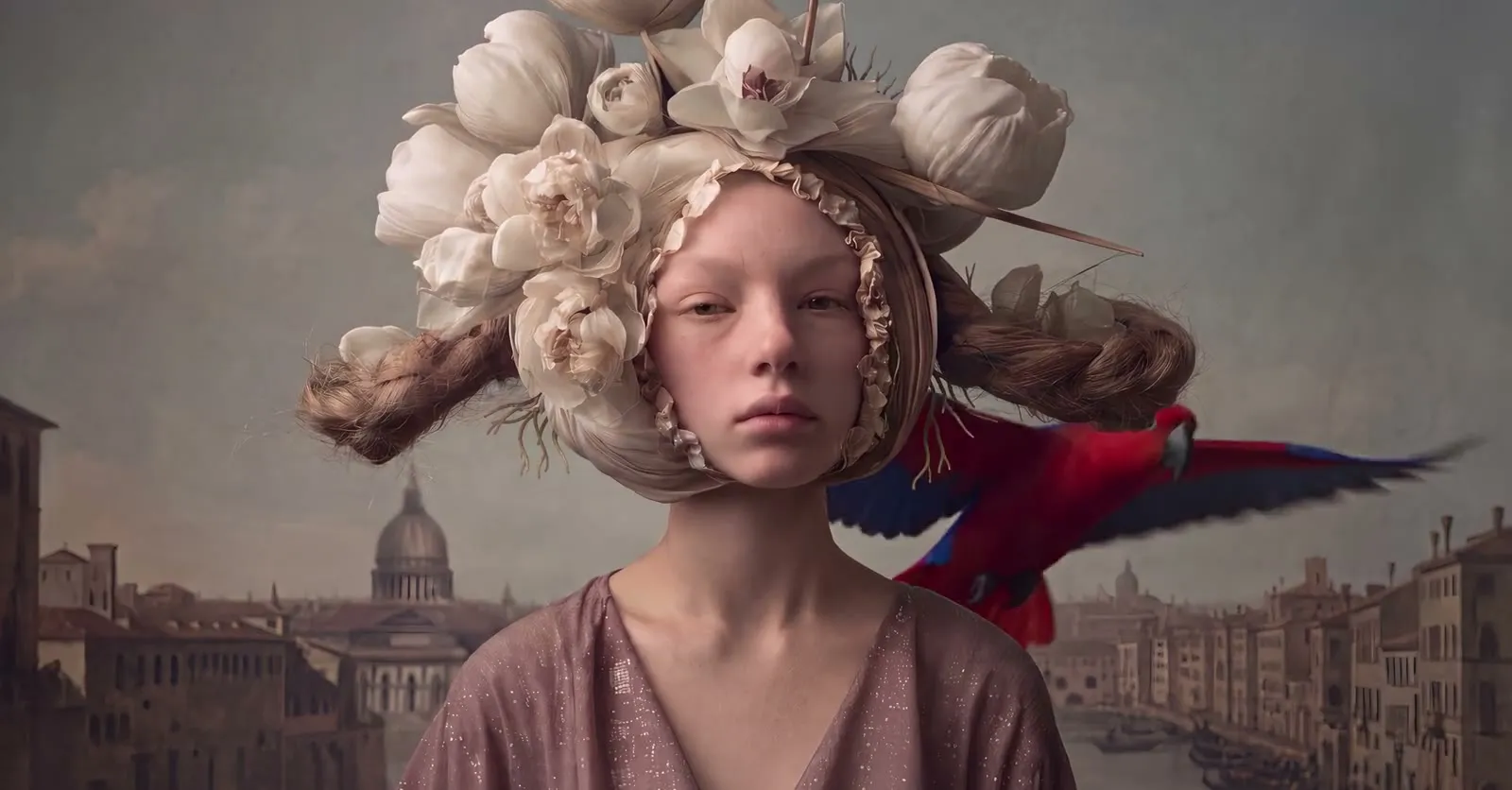
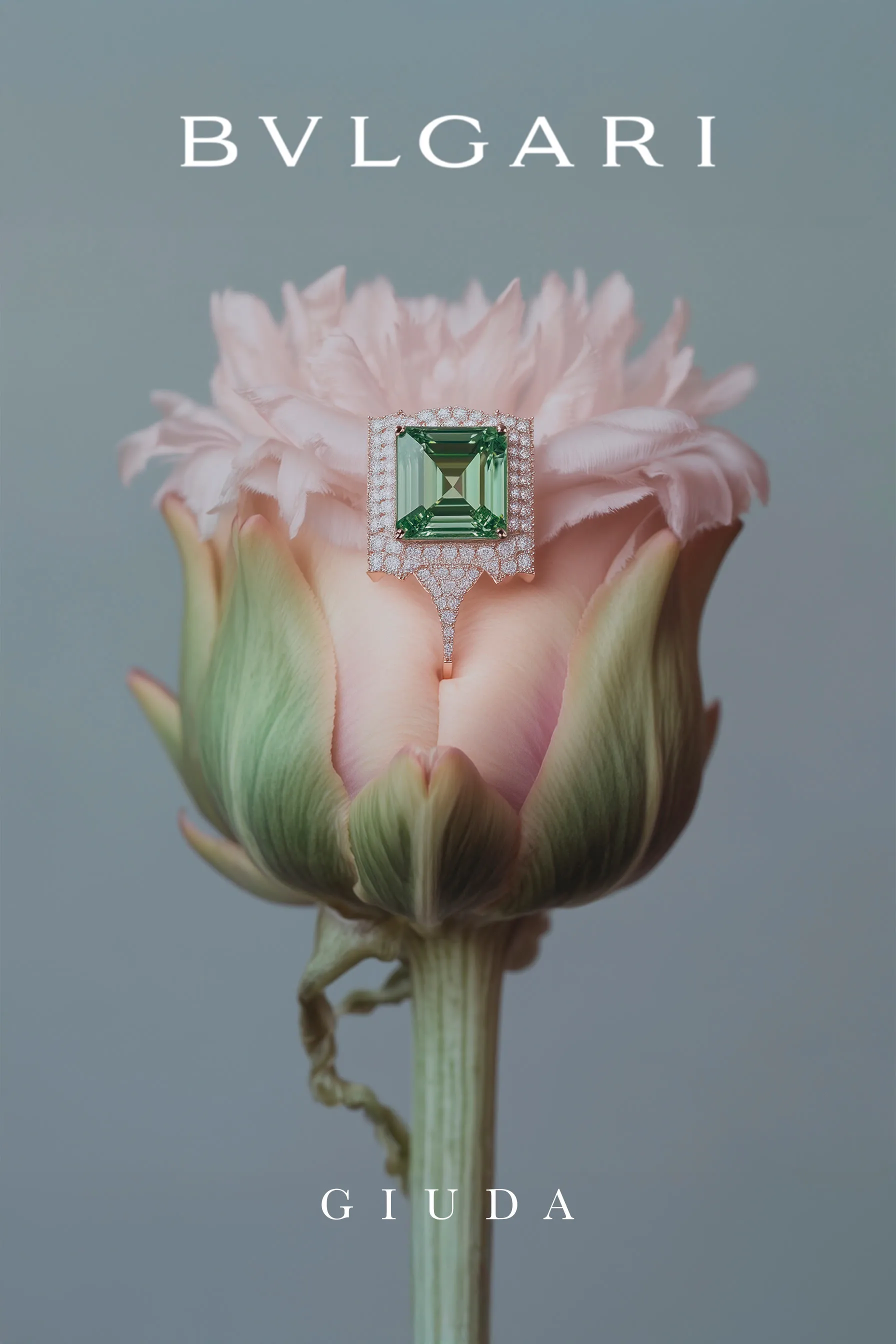
We do not attribute the method to past works or to fully generated films, and we do not call tools proprietary when they are not. The studio’s uncommissioned campaigns, made entirely with AI, say so in the text. The tool will be different tomorrow; what is specific lies in the author’s decisions and in how the studio organises the work.
An example
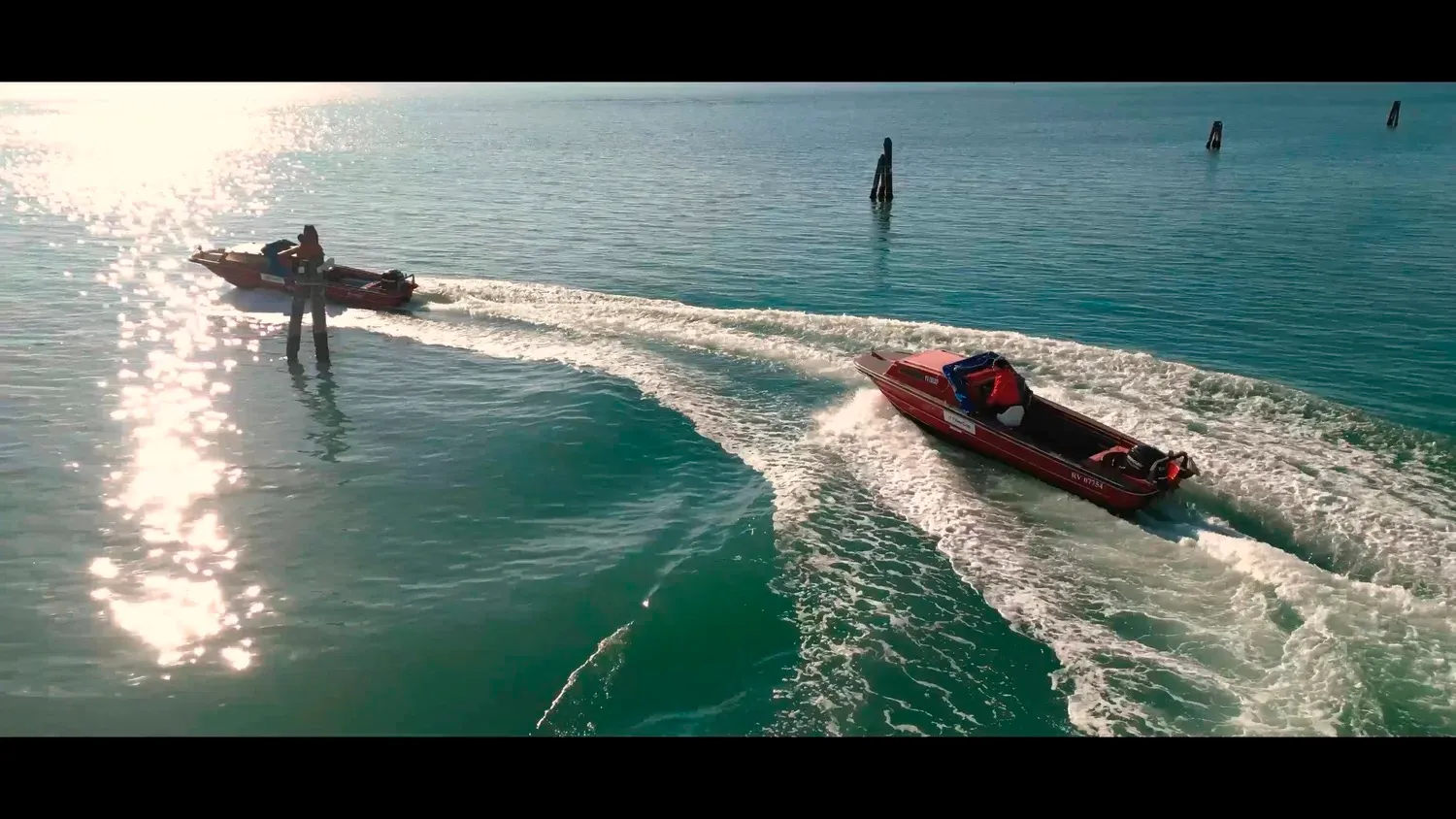
In the institutional film Ciò che ci unisce, for FiberCop, cinematic footage, archive images and generated elements go through the same direction and the same editing, under one visual direction. The result is judged the way a film is judged.
The Rome Call for AI Ethics, signed in Rome in 2020, asks for systems that are transparent, inclusive and accountable. Translated into the work of an image studio, it means one thing: always knowing, and being able to say, who decided what.
Sources
- Regolamento (UE) 2024/1689 sull’intelligenza artificiale (AI Act), art. 50 (opens in a new tab)
- Legge 23 settembre 2025, n. 132, disposizioni in materia di intelligenza artificiale (opens in a new tab)
- Rome Call for AI Ethics, 2020 (opens in a new tab)
- P. Benanti, Oracoli. Tra algoretica e algocrazia, Luca Sossella Editore, 2018
- Agenda Digitale, «Legge sull’AI: come si applica, tutti gli aspetti pratici e i fronti critici» (opens in a new tab)
- ArtistProof, Ciò che ci unisce, scheda del film (opens in a new tab)
Credits
Image: the ArtistProof studio in Rome, via Luigi Galassi.
Text: Airona Altman.